Broomfield Wood Flooring has handled wood-flooring in Fort Lupton for more than 20 years, and most of that work starts with a floor that has already lived a long life. We sand and refinish tired boards, replace damaged sections, trace squeaks to their source and lay new floors when the old ones cannot be saved.
Every job begins with a look at what is actually under your feet. We check the species, the thickness left above the tongue, the moisture in the boards and the way they are fastened before we recommend sanding, patching or tearing anything out. A floor that can be refinished should be refinished, and we will tell you when that is the case.
We also plan around the details that change a project’s scope: painted trim in older houses, water that came from a pipe or appliance, stairs that meet a new landing, and HOA documents that may set their own flooring rules. Sorting those out first keeps the quote honest and the schedule steady once the sanders arrive.
Wood Floors in a South Platte River Town
Fort Lupton is a statutory city in southern Weld County, sitting on the main stem of the South Platte River. That setting shapes the questions we hear. It says nothing about any single house, but homeowners in a river town reasonably want to know what the river has done and what the city’s rules say about building near it.
What the Fort Lupton River Gauge Records
The National Weather Service tracks the river through its ‘South Platte River at Fort Lupton’ gauge. Minor flood stage there is 11 feet, the level at which the river overflows its banks flooding agricultural lands. Action stage is 10 feet, moderate is 13 feet and major is 15 feet, so the categories climb in fairly tight steps.
The highest crest on record is 10.98 feet, on September 13, 2013, just under that 11-foot minor stage. The second highest is 10.82 feet, on June 12, 2015. We cite these because they are the measured record, not to suggest what happened inside any home, and because a gauge reading is a better starting point than a rumor.
Water Stains, Cupping and Hardwood Drying
Water that ruins a wood floor usually starts inside the house: a burst pipe, a washing machine, a failed supply line or a roof leak. The damage reads the same whatever the source. Water stains darken the grain, cupping lifts the board edges, crowning follows a rushed sanding, and buckling appears where the boards had no room to swell.
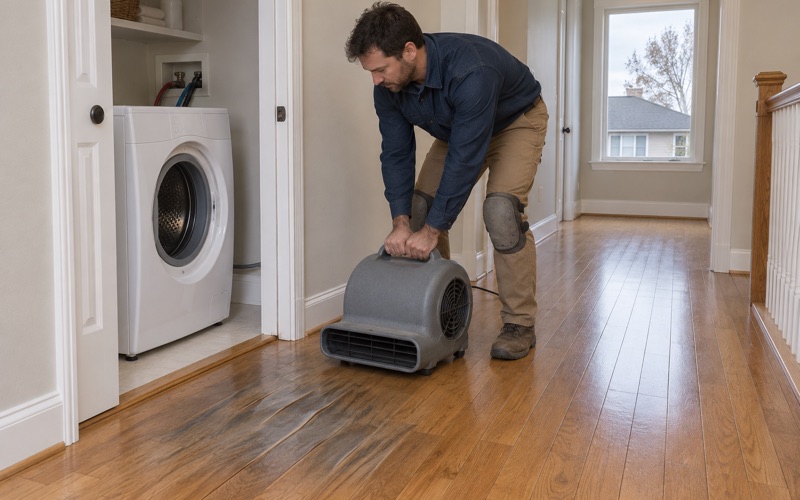
We trace the water to where it entered, dry the floor, and take moisture meter readings across the room before a single board is replaced. Each room is documented as we go, so an insurance adjuster sees measured readings rather than a guess. Replacing boards over a subfloor that is still wet only moves the problem a few months down the road.
Looking for wood-flooring closer to Montbello? See Montbello Wood-Flooring.
Refinishing Floors in Fort Lupton’s Older Houses
Census estimates show that 49.9 percent of Fort Lupton’s housing was built before 1980 and 12.5 percent before 1940, with the 1970s alone accounting for 22.6 percent. Where those older houses have wood floors, the boards may have been sanded, stained or hidden under carpet more than once, and each earlier pass leaves its own marks.
Some of that oldest stock stands in a city whose story reaches back to 1838, when Lancaster Lupton built a trading post on Adobe Creek; Fort Lupton incorporated on January 15, 1890. We treat that history as a reason for patience rather than a sales point. Older floors reward slow, careful work, and they punish anyone who sands first and asks questions afterward.
Sanding Solid Hardwood Above the Tongue
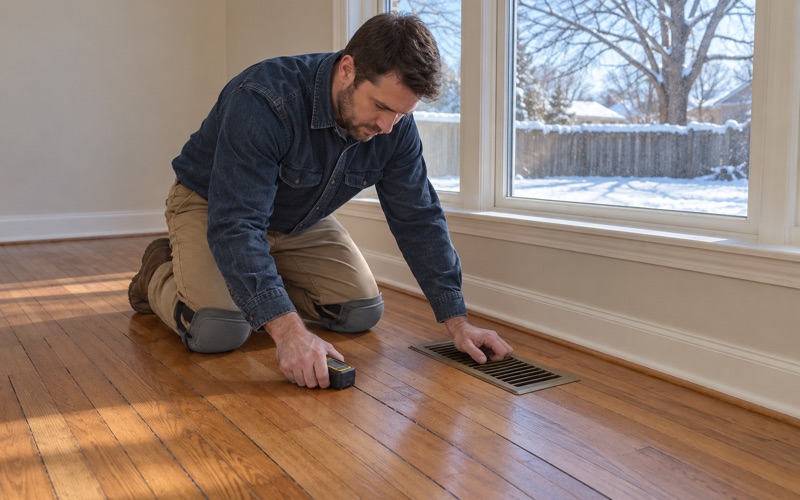
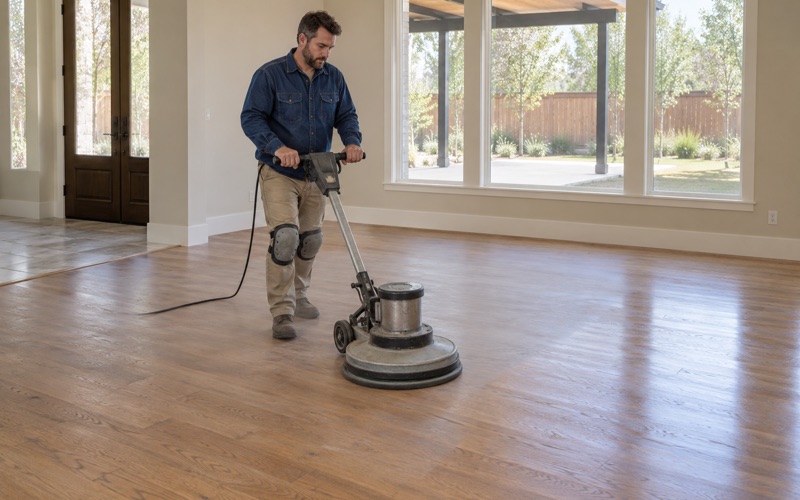
Before a drum sander touches an older floor, we pull a floor vent or a threshold and measure how much wood remains above the tongue and groove. Solid hardwood can take several sandings in its life, but not an unlimited number. If a previous crew was aggressive, a light screen and recoat may be a smarter choice than a full sand.
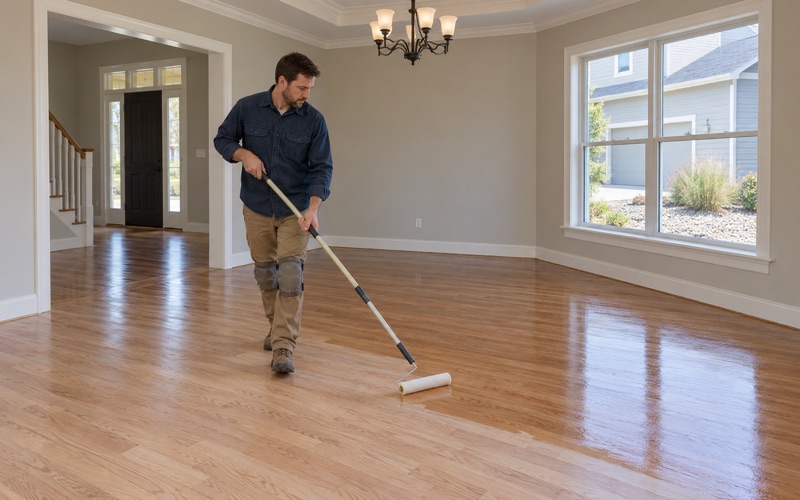
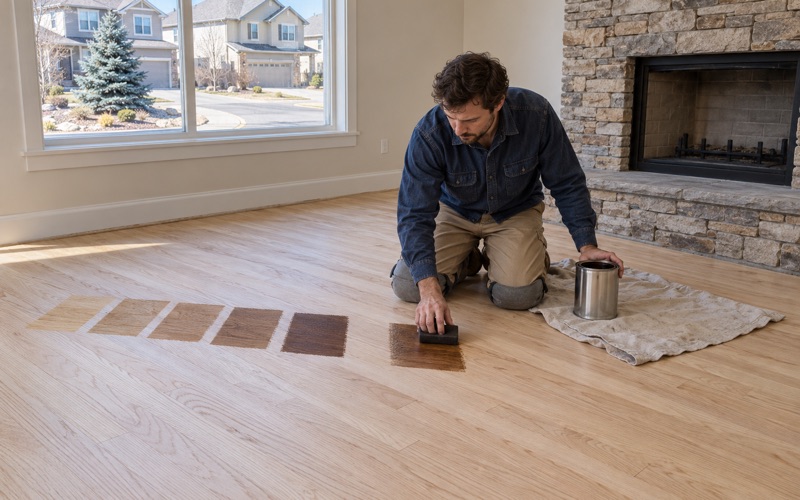
When there is enough wood, we work through a proper grit sequence, water pop the grain if the stain calls for it, and finish with waterborne polyurethane, oil-modified polyurethane or a hardwax oil depending on how the room is used. We lay stain samples on your own floor, in your own light, so the color you pick is the color you get.
Traffic Lanes, Pet Stains and Sun Fade
Decades of use leave predictable marks. Traffic lanes wear through the finish in hallways and doorways, pet urine stains soak deep into the grain, and sun fade or an orange oak tone changes how a room reads. Some of these sand out cleanly; deep pet stains often need the affected boards replaced before the new finish goes on.
Checking Painted Surfaces Before Sanding
Older housing brings older paint along with it. For any home built before 1978, we confirm the build year and check painted trim, baseboards and stair parts before sanding begins. Dust from an old finish is one thing; dust from old paint is a different job with different precautions, and we plan for it from the start.
Dustless sanding systems help contain what the machines kick up, but they do not replace a check of what the surfaces are made of. We would rather spend an extra half hour on a walkthrough than discover a problem with the floor half sanded. That habit costs nothing and protects everyone living in the house.
Repairing or Replacing Floors in Detached Homes
Census figures put 76.5 percent of Fort Lupton’s housing units in one-unit detached houses, and 67.0 percent are owner-occupied. For a city built mostly of owner-occupied detached homes, the common question is whether a worn floor is worth saving. The honest answer depends on the damage, the wood left, and how long the household plans to stay.
Board Replacement for Squeaks and Popping Boards
Squeaks, popping boards and hollow spots all have causes, and we look for them instead of filling and hiding the symptom. A squeak might be a loose fastener against a joist, a popping board might have lost its hold on the subfloor, and a hollow spot on a glue-down engineered floor usually means the adhesive let go.
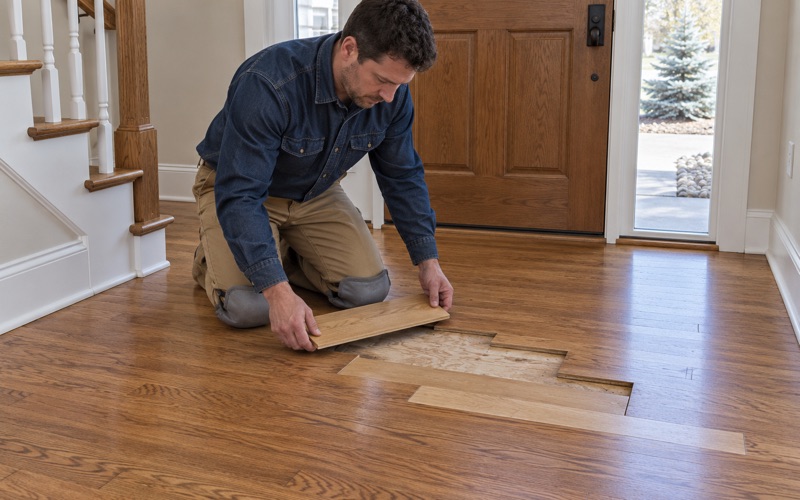
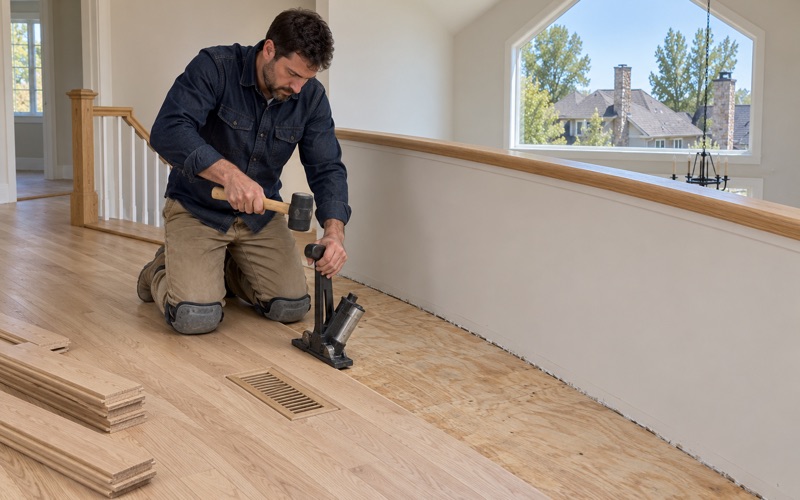
Board replacement works well when the damage is local. We cut out the bad pieces, weave in new tongue and groove boards, and feather the finish so the repair does not read as a patch. Matching an aged floor takes more than the right species; it takes a sample run of stain and finish on scrap first.
Seasonal Gaps and Winter Shrinkage
Gaps that open between boards each winter are usually shrinkage, not failure. A furnace running for months pulls the indoor relative humidity down, and the wood gives up moisture until it reaches a new equilibrium moisture content. By summer many of those seasonal gaps close on their own, which is why filling them in January can cause trouble later.
We take moisture readings during the heating season before recommending any fix. If the gaps track the furnace, the answer may be a whole-house humidifier rather than filler. If they stay open through summer, something else is going on, and we keep looking until we find it.
When a New Engineered or Solid Floor Makes Sense
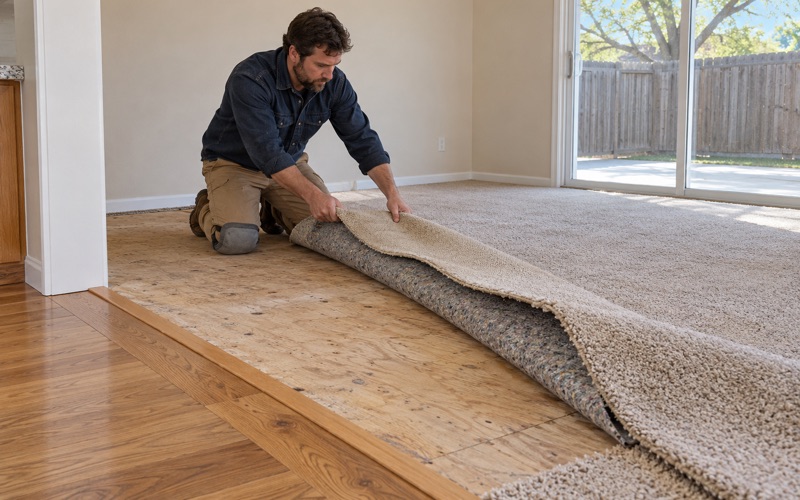
Some floors are past saving: veneer cracking on a thin engineered wear layer, boards sanded down to the tongue, or buckling that did lasting damage. Then we talk through solid hardwood versus engineered, species such as red oak, white oak, hickory or maple, and how Janka hardness matters in a busy kitchen or a household with dogs.
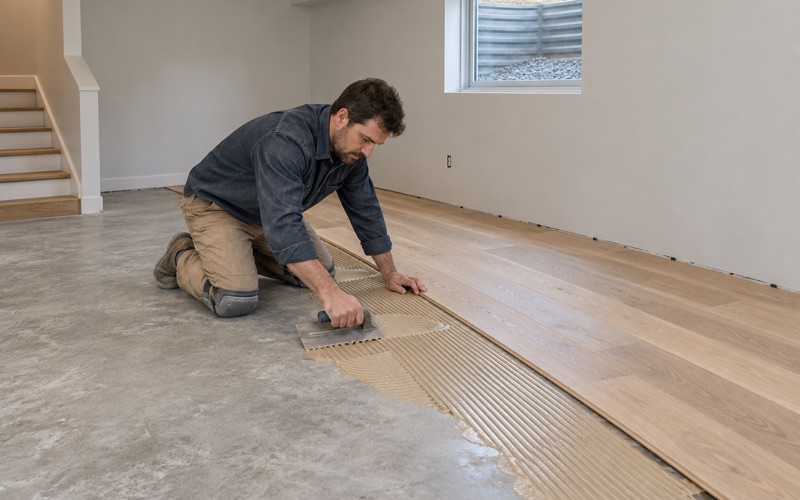
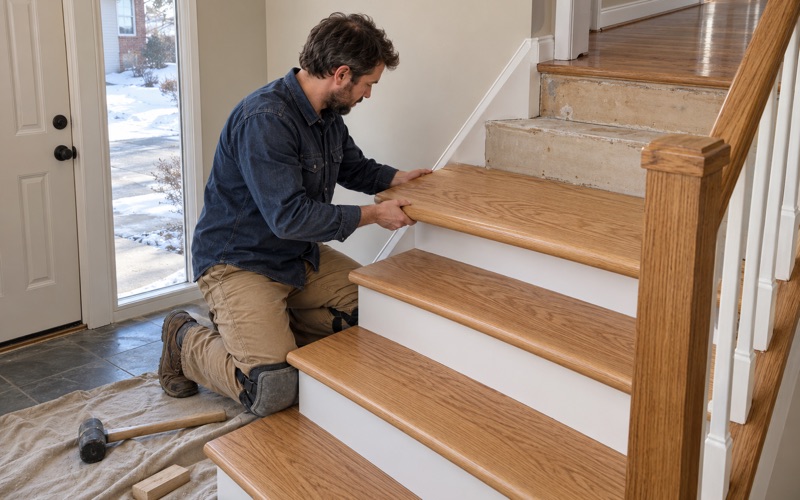
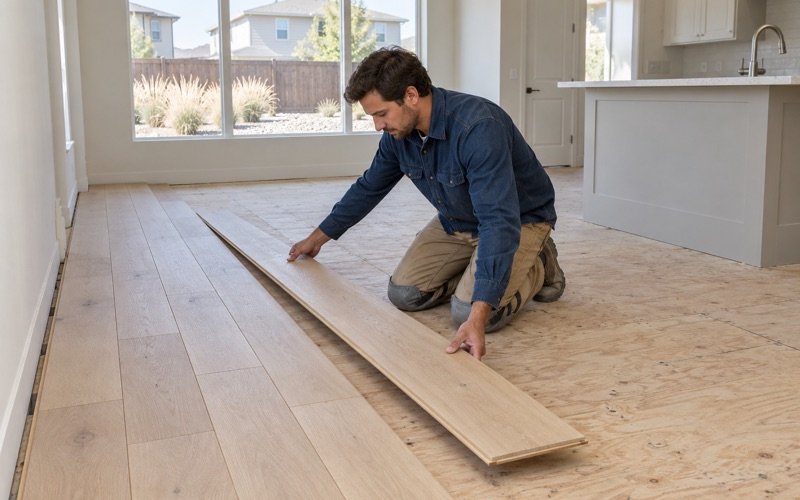
Before new boards go down, we talk about indoor humidity, because a Front Range house in a heated winter holds far drier air than the boards arrived with. Proper acclimation, an expansion gap at the walls and a sound subfloor matter more to a floor’s life than the species. Stairs are quoted tread by tread, and a new landing is checked so the riser height stays even.
Floor Work in a Floodplain-Regulated City
Fort Lupton writes its floodplain regulations into the city code, and its Storm Drainage Design and Technical Criteria explain the approach. The stated purposes include reducing the hazard of floods to life and property. Regulated areas are the designated 100-year floodplain, special flood hazard areas and the designated floodways.
What the City’s Floodplain Rules Cover
The city’s floodway delineation uses a 1-foot rise limit in the 100-year water surface elevation. Where a development proposes fill, construction or alteration on or over any part of the designated floodplain, the criteria call for a hydraulic analysis. Work on floodplains designated by the Urban Drainage and Flood Control District, now the Mile High Flood District, also needs that district’s approval.
We do not read those rules as a verdict on any particular floor project, and we will not guess at one. What they tell a homeowner is that the city takes its river seriously. If your plans go beyond interior finishes, the city’s own criteria and your property records are where the answer lives, not a flooring quote.
Flood Insurance, Weather and HOA Rules
Fort Lupton participates in the National Flood Insurance Program, and the criteria note that FEMA must approve a LOMR or LOMA before the city releases a Certificate of Occupancy for any structure it affects. Whether that touches your house is a question for your own records and your insurer; we keep our part to the floor itself.
Scheduling is the last piece. Fort Lupton falls in the National Weather Service forecast zone ‘Central and South Weld County’, and we watch it when a finish needs dry, steady conditions to cure. If an HOA or metro district governs your home, we read its documents first, since any interior flooring rule comes from them.
Planning Wood Flooring Work Near the River
None of this means a floor near the river needs special materials by default. It means we ask a few more questions at the start: how the house has handled water before, which rooms have seen leaks, and whether the owner wants a finish that shrugs off spills and mopping better than a softer oil.
For many owners the practical choice is still a site-finished solid hardwood floor with a durable polyurethane, because it can be sanded again later. Others prefer a prefinished engineered floor for its stability through dry winters. We lay out the tradeoffs plainly, quote the work room by room, and let you decide with the facts in front of you.
- 20+ Years on Wood Floors
- Moisture Readings Before Repairs
- Stain Samples on Your Own Floor